
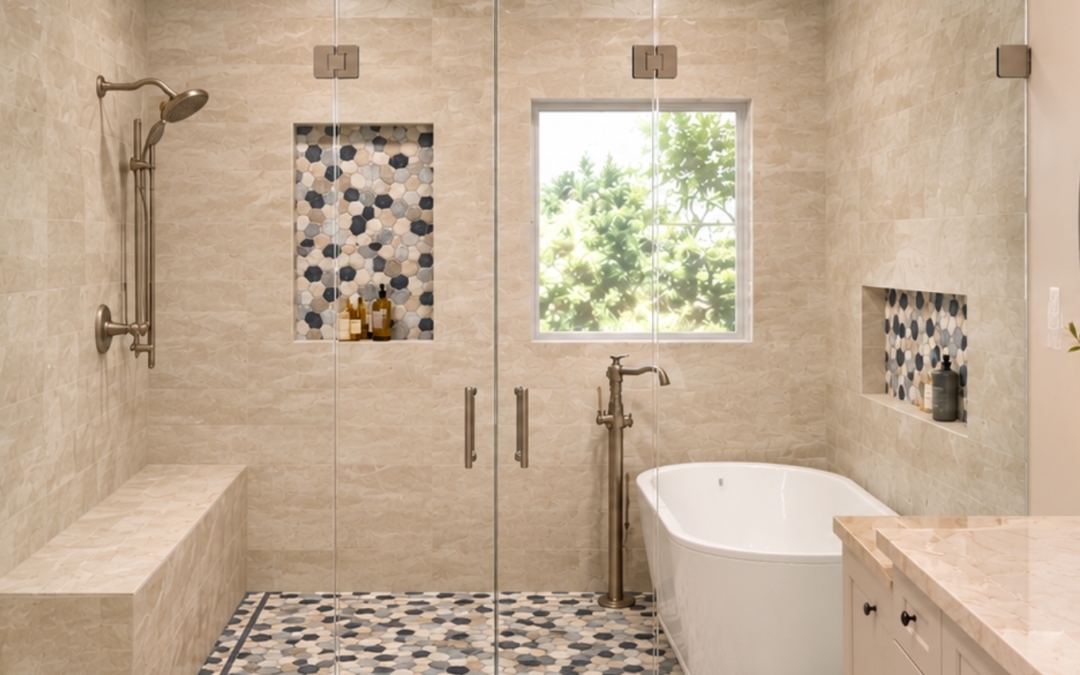
Why hiring an interior designer matters even when you already have a contractor.
You’ve found a contractor, you’re excited about transforming your home, and you’re ready to get started. But there’s one question you may still be asking: “Why would I pay an interior designer when I already have a contractor?”
It’s a reasonable question. After all, your contractor knows how to renovate your home. Why would you need another professional involved?
The answer comes down to two very different responsibilities: designing your remodel and building your remodel. Both are important, and understanding the difference can help you avoid costly mistakes, make confident decisions, and create a home that looks beautiful and works for the way you live.
What Does an Interior Designer Do During a Remodel?
An interior designer helps homeowners plan and coordinate the design of a remodeling project. This can include space planning, developing the overall design concept, selecting materials and finishes, coordinating colors and lighting, and providing design guidance throughout the renovation.
While a contractor focuses on construction and installation, an interior designer focuses on how the finished space will look, feel, and function. At Diva by Design Interiors, I help homeowners throughout League City, Galveston, and the Houston area turn their remodeling ideas into clear, cohesive design plans.
Here’s what that process involves:
1. An Interior Designer Helps You Define Your Vision
The problem: You know you want something different, but you’re not entirely sure what that should look like.
Maybe your kitchen feels dated. Perhaps your bathroom doesn’t function well. Or you’ve saved hundreds of inspiration photos but can’t figure out how to bring those ideas together. Before we begin selecting materials, I want to understand how you live in your home.
What isn’t working? What would make everyday life easier? How do you want the finished space to feel?
These conversations help establish the direction for your remodel.
A beautiful kitchen isn’t much help if you still don’t have enough storage. And a luxurious bathroom isn’t particularly relaxing if the layout makes it difficult to use. Good interior design begins with understanding the people who live in the home not simply choosing attractive finishes.
2. An Interior Designer Helps You Make Important Decisions Before Construction
The problem: Making design decisions during construction can become stressful and expensive.
Imagine discovering halfway through your remodel that the lighting isn’t where you need it, the cabinet configuration doesn’t provide enough storage, or your favorite countertop doesn’t coordinate with the backsplash you’ve already purchased. These are the kinds of problems thoughtful planning can help prevent.
Depending on the scope of the project, an interior designer may help you work through:
- Space planning and furniture layouts
- Cabinetry design and storage requirements
- Lighting placement and fixture selections
- Plumbing fixture selections
- Flooring and countertop materials
- Tile layouts and backsplash designs
- Paint colors and coordinating finishes
When these decisions are considered together, you have a better picture of the finished space before construction begins. Your contractor also benefits from having more clearly defined design selections and details. It’s much easier to adjust a design plan than to change something that’s already been installed.
3. An Interior Designer Helps You Make the Most of Your Investment
The problem: You want a beautiful remodel, but you also have a preferred investment in mind.
One of the first things I discuss with homeowners is how much they’re comfortable investing in their remodeling project. A good interior designer doesn’t simply select beautiful materials without considering their cost. We work to develop a design that respects your preferred investment while achieving your priorities.
That means understanding where you want to invest more and where we can make thoughtful adjustments without compromising the overall design. Perhaps a stunning countertop is your top priority, while a more moderately priced backsplash would work beautifully alongside it. Or maybe custom cabinetry is important to you, but we can explore alternatives for other finishes.
My goal is to help you make informed decisions about where your money will have the greatest impact. Sometimes that also means having an honest conversation about whether the desired scope and preferred investment align. If they don’t, we can explore adjustments or priorities before construction begins.
Working with an interior designer doesn’t guarantee that your remodel will cost less. But thoughtful planning and coordinated selections can help you avoid unnecessary expenses and make better use of the money you’ve chosen to invest.
Beautiful design isn’t about spending the most. It’s about investing thoughtfully in the things that matter most to you.
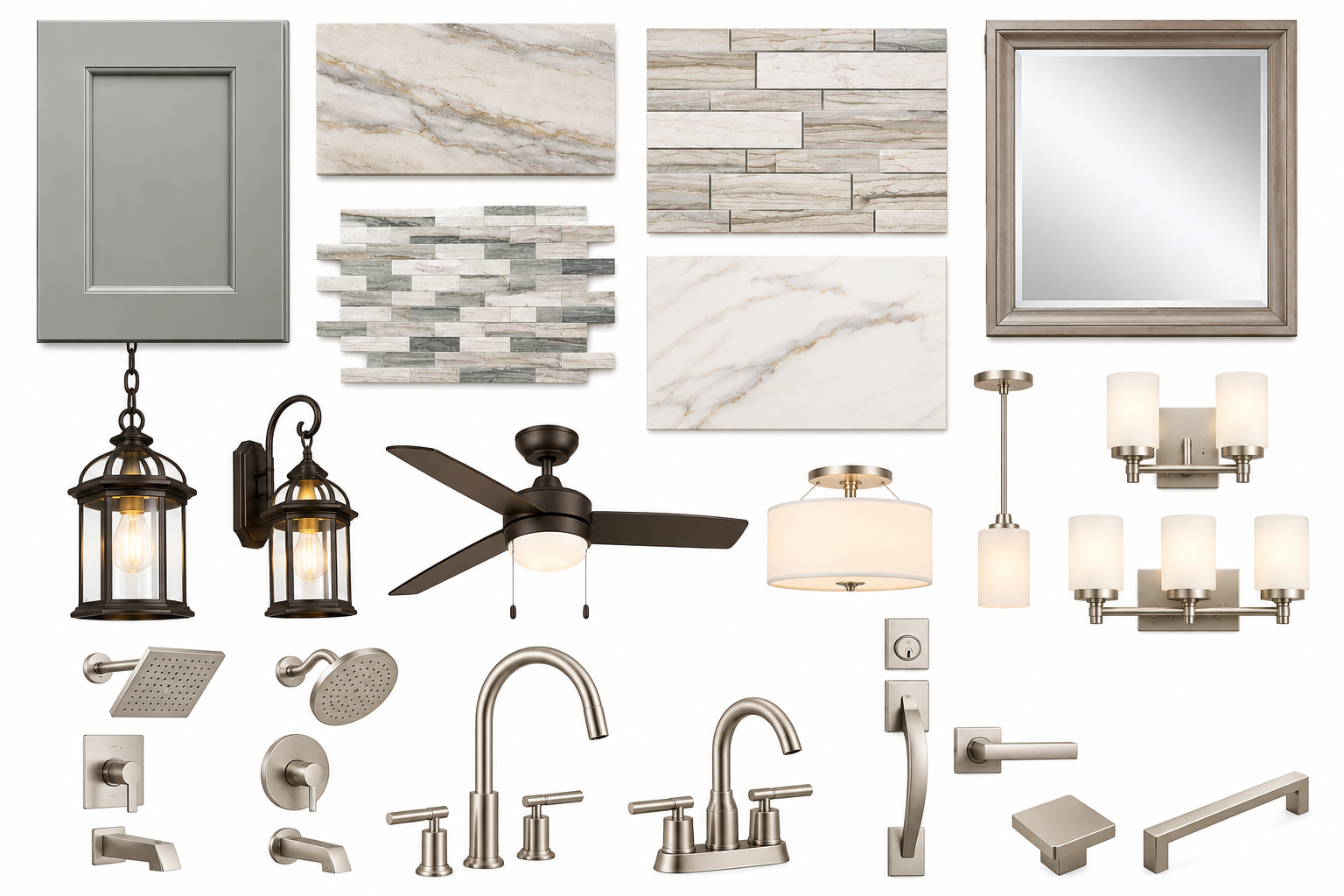
4. An Interior Designer Makes Sure Your Materials and Finishes Work Together
The problem: Beautiful materials don’t automatically create a beautiful room.
You might love a particular floor tile, a dramatic countertop, and a gorgeous cabinet color. But do they actually work together? This is where professional material selection becomes particularly valuable.
As an interior designer, I consider the relationship between colors, undertones, textures, patterns, proportions, and finishes. I also consider how those materials will look under the lighting in your home and how they’ll relate to adjoining rooms.
For example, a countertop may look beautiful in a showroom but reveal undertones that clash with your flooring once you bring the samples together. Or a backsplash that looks perfect on its own may compete with the movement in your countertop stone.
My goal is to help you create a cohesive design where every selection feels intentional. That means you can make decisions with confidence instead of wondering whether everything will come together in the end.
5. An Interior Designer Provides Design Guidance During Your Remodel
The problem: Even a well-planned remodel can bring unexpected questions.
Once construction begins, decisions don’t necessarily stop. Materials may become unavailable. An existing condition may require an adjustment. Or your contractor may need clarification about design details.
When design guidance during construction is included in your agreement, your interior designer can help you evaluate alternatives and keep decisions aligned with the original design direction. For example, if your selected tile is discontinued, I can help identify a replacement that complements the other materials rather than making a rushed choice based on what’s available.
I can also help clarify design intentions and communicate relevant details to your contractor. This doesn’t mean the designer takes over construction management. Your contractor remains responsible for the construction work and the responsibilities established in your agreement.
Instead, the designer and contractor contribute different expertise toward the same goal: a successful remodel.
6. An Interior Designer Helps Create a Balanced Finished Home
The problem: A remodel can be technically well executed and still feel disconnected.
Imagine investing in beautiful cabinetry, expensive countertops, and new lighting, only to discover that the finished room doesn’t feel quite right. Perhaps the proportions are off. Maybe the finishes compete with one another. Or the new space doesn’t relate comfortably to the rest of your home.
An interior designer considers the overall composition not only individual products. That includes the balance of colors and materials, the relationship between architectural details, and the way the room connects to adjoining spaces.
I also consider how the finished room will function once you’re living in it. Because the goal isn’t simply to complete a renovation. It’s to create a home that feels beautiful, comfortable, and thoughtfully designed for your lifestyle.
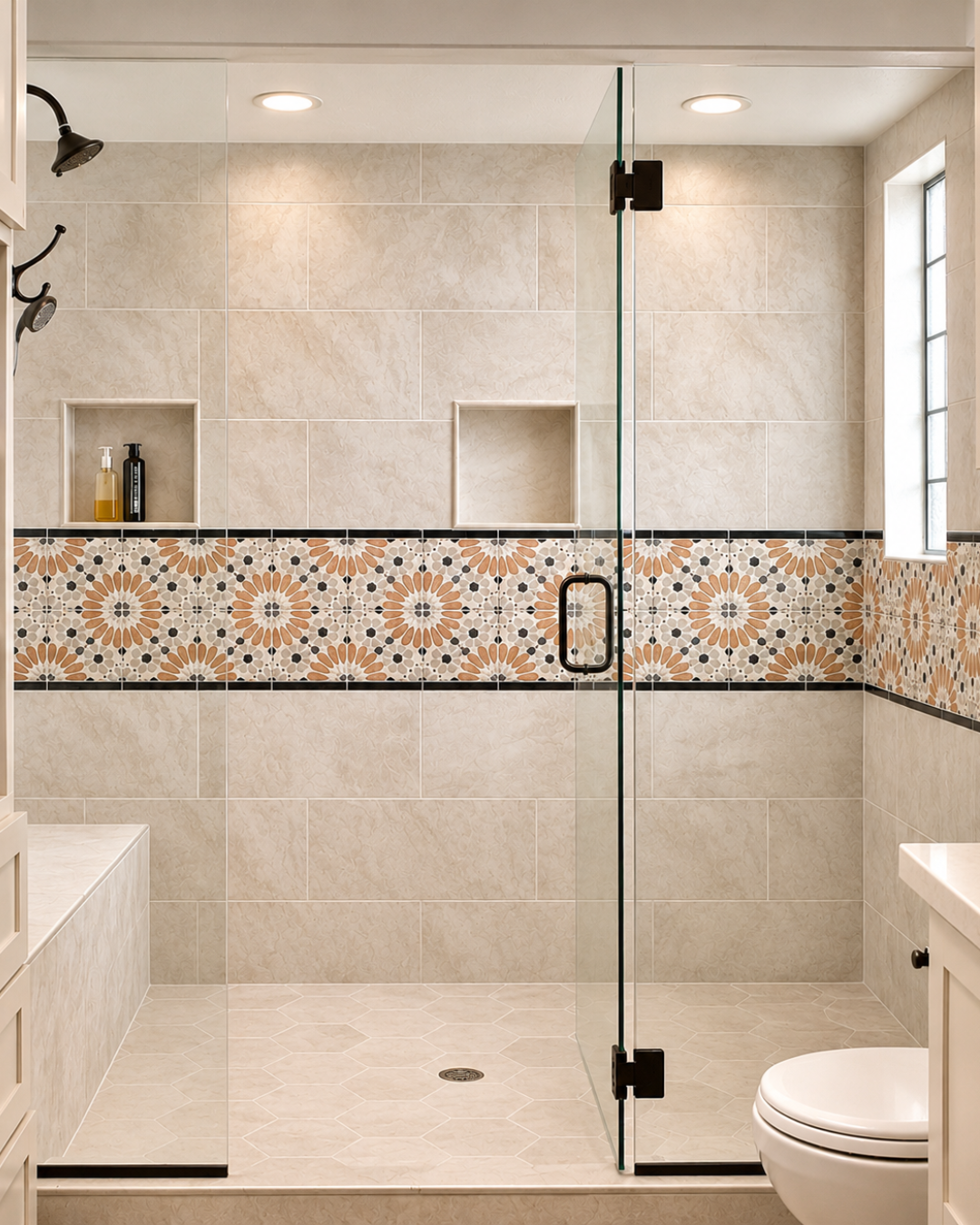
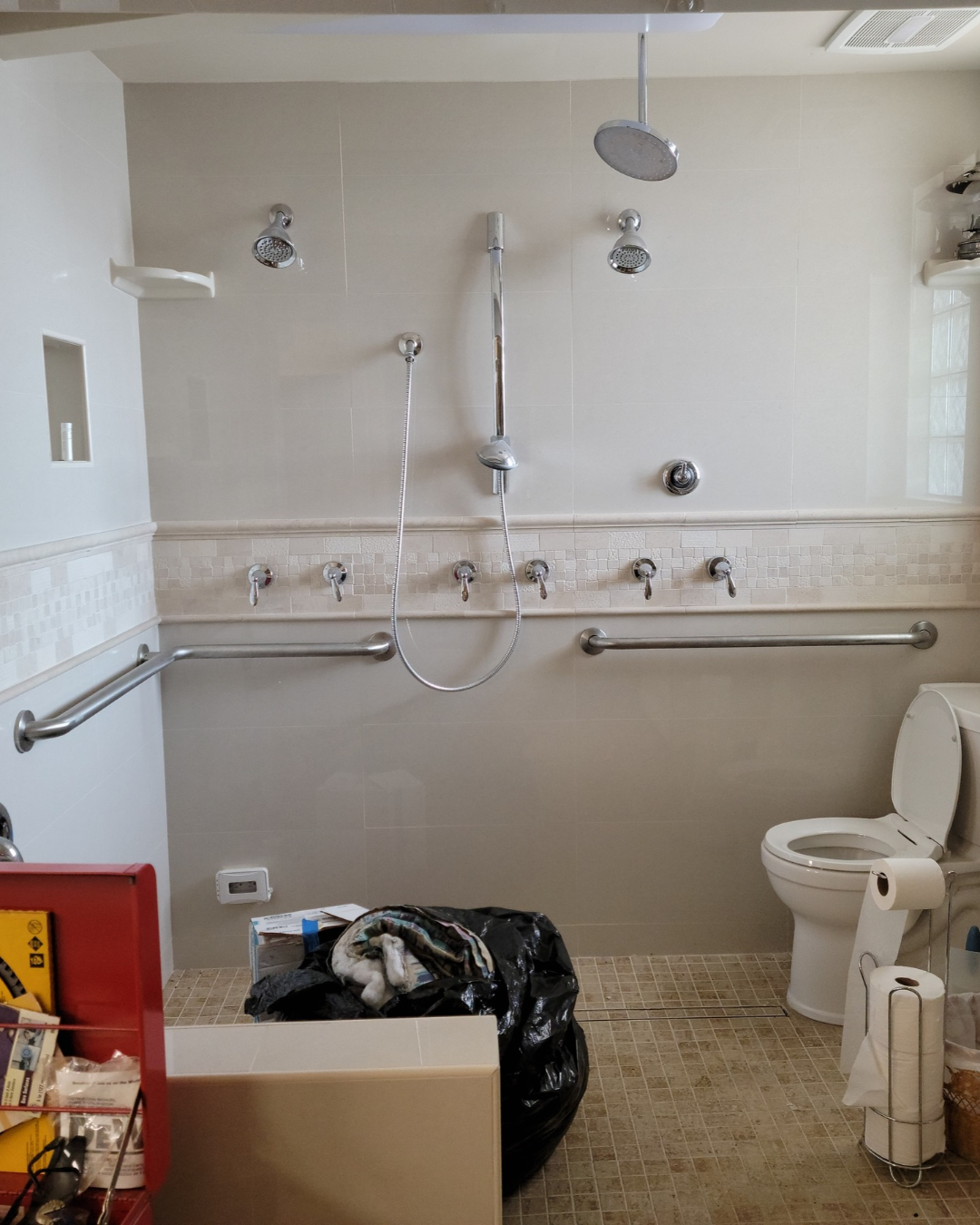
Before and after: A bathroom remodel by Diva by Design Interiors featuring a redesigned layout, updated shower, coordinated tile selections, and cabinetry. The transformation demonstrates how thoughtful space planning and material selections work together to create a beautiful, functional bathroom.
Interior Designer vs. Contractor: What's the Difference?
Both professionals play important roles in a remodeling project, but their primary responsibilities are different.
Interior Designer
- Develops the design vision
- Helps plan how spaces function
- Coordinates materials, finishes, and colors
- Develops design details and selections
- Provides design guidance within the agreed scope
- Helps align design priorities and selections with the homeowner’s preferred investment
Remodeling Contractor
- Plans and executes construction
- Evaluates construction feasibility
- Manages construction materials and installation
- Coordinates trades and construction schedules
- Oversees construction quality and code-related requirements within the agreed scope
There can be overlap, particularly when working with design-build contractors or firms offering in-house design services. The important thing is to understand who is responsible for each decision before your project begins.
A contractor and an interior designer aren’t competing services. They can be complementary members of your remodeling team.
When Should You Hire an Interior Designer for a Remodel?
Ideally, you should involve an interior designer during the planning stage, before construction begins.
This allows time to evaluate the layout, establish a cohesive design direction, coordinate material selections, and identify important decisions that may affect construction.
You can still benefit from professional design guidance after hiring a contractor. However, bringing a designer into the process earlier generally provides more opportunities to refine the design before materials are ordered or work is completed.
If you’re buying a home that needs renovations, building a new home, or planning a kitchen, bathroom, or whole-home remodel, it’s worth exploring professional design services before making major selections.
You can read more on this topic in my blog post here: When Should you Hire a Designer for a Remodel or New Build?
Your Remodel Deserves More Than Beautiful Materials
A successful remodel isn’t simply about choosing attractive finishes or finding someone who can install them.
It’s about understanding how you want to live, making thoughtful decisions, and bringing all the elements together into a cohesive design.
At Diva by Design Interiors, I bring more than 16 years of interior design experience to helping homeowners navigate those decisions with clarity, ease, and confidence.
Whether you’re buying, building, or remodeling a home in League City, Galveston, or the greater Houston area, my Remodel Design services can help you move from inspiration to a clear design direction.

Ready to plan a remodel that looks beautiful and works beautifully for your life?
And if you know someone who’s preparing to renovate their home, even if they’ve already hired a contractor, I’d love for you to share this article with them.